The Art of Contouring and Highlighting

Bronzer Hacks Unveiled: Top Bronzer Application Tips Every Beauty Lover Should Know
There'snothing quite like the transformative power of bronzer to give your skin a sun-kissed glow, no matter the season. But ifyou'veever wondered about the secrets behind that perfectly bronzed look,you'rein for a treat. From understanding the art of contouring with bronzer to discovering the must-know bronzer hacks,we'rehere to guide you through it all. Featuring tips with NapoleonPerdisbronzers,we'llguide you on how to apply bronzer like a pro, adding warmth and dimension to your complexion. Dive into our playful yet candid guide and discover insider beauty tips that promise to elevate your makeup game to new heights.
Mastering Bronzer Application
Perfecting Your Base
Before diving into bronzer application, it's crucial to create a flawless canvas. A well-prepped base ensures your bronzer blends seamlessly and lasts throughout the day.
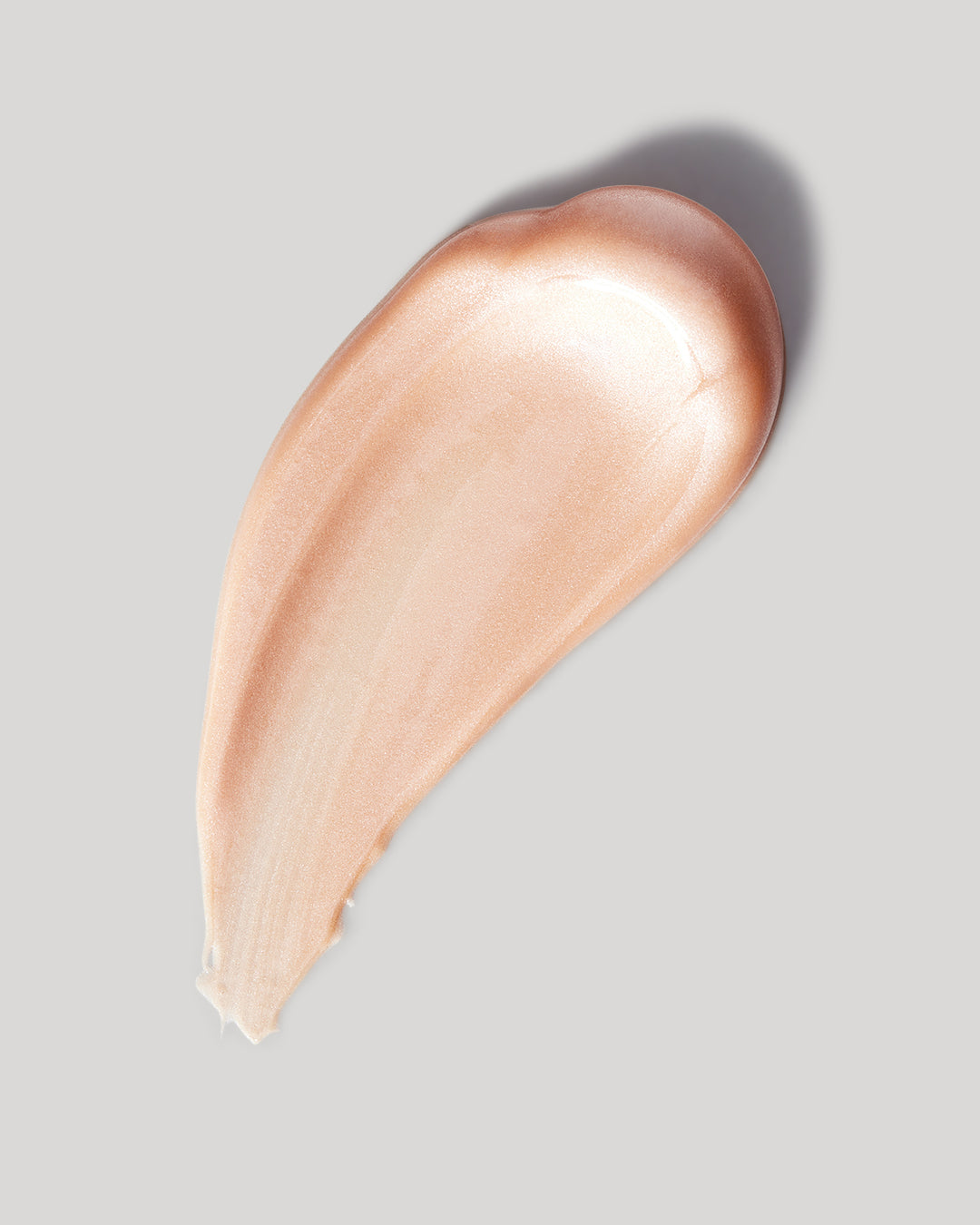
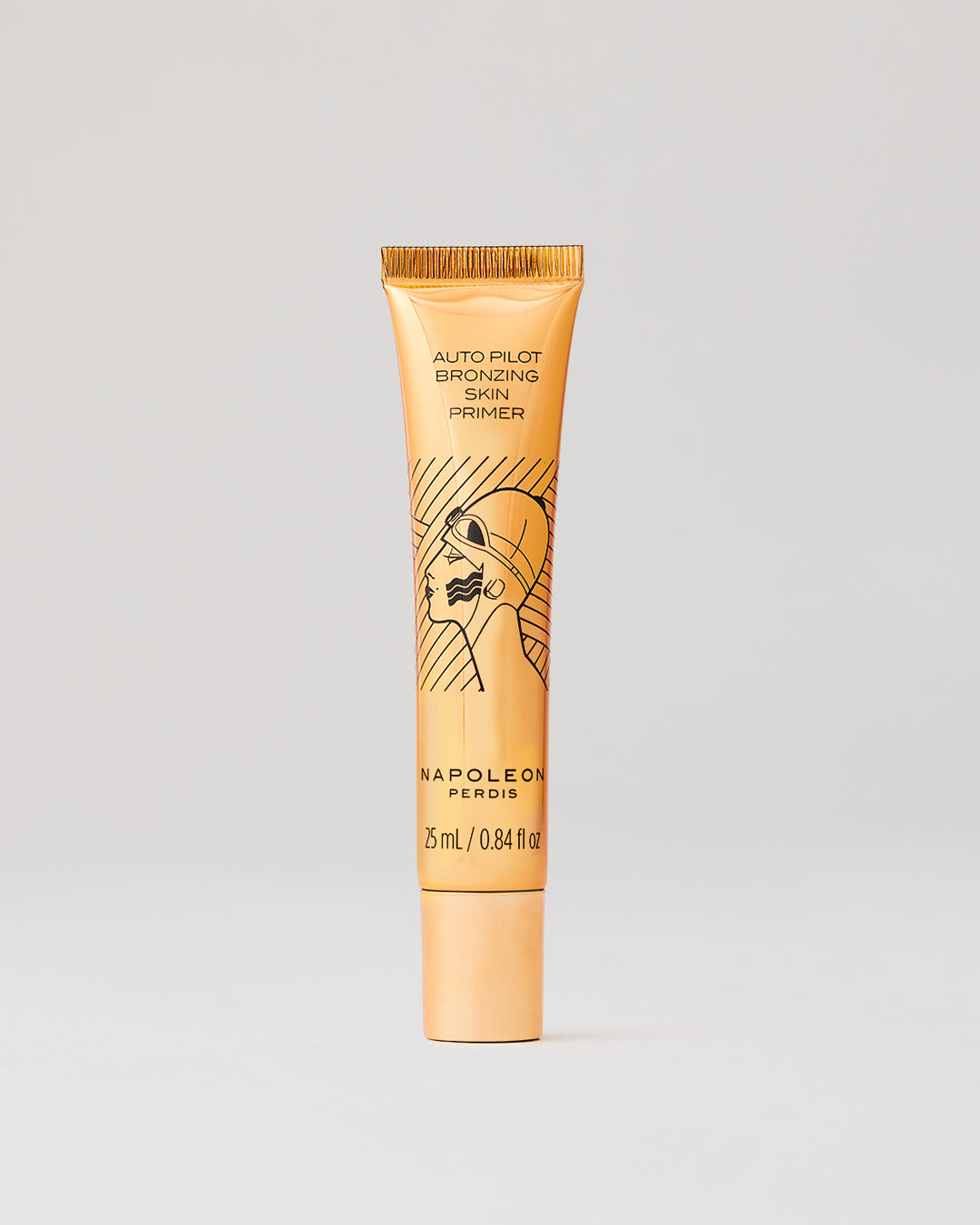
Start by cleansing and moisturising your skin. This step helps create a smooth surface for makeup application. Follow up with a primer, such as the Auto-Pilot Bronzing Skin Primer, to minimize pores, add a touch of warmth, help set the base for a bronze, sun-kissed look, and extend the wear of your makeup.
Next, apply your foundation and concealer as usual. Opt for a foundation that matches your skin tone perfectly to avoid any obvious lines of demarcation. Set your base with a translucent powder to prevent your bronzer from looking patchy or streaky.
Remember, a good base is half the battle won in achieving a natural, sun-kissed look with your bronzer.


Choosing the Right Bronzer
Selecting the perfect bronzer is crucial for achieving a natural, sun-kissed glow. The right shade and formula can make all the difference in your makeup routine.
When choosing a bronzer, opt for a shade that's only one or two shades darker than your natural skin tone. This ensures a subtle, believable tan rather than an obvious makeup look. For fair skin, go for light, golden-toned bronzers. Medium skin tones can opt for warm, terracotta shades, while deeper skin tones look stunning with rich, deep bronze hues.
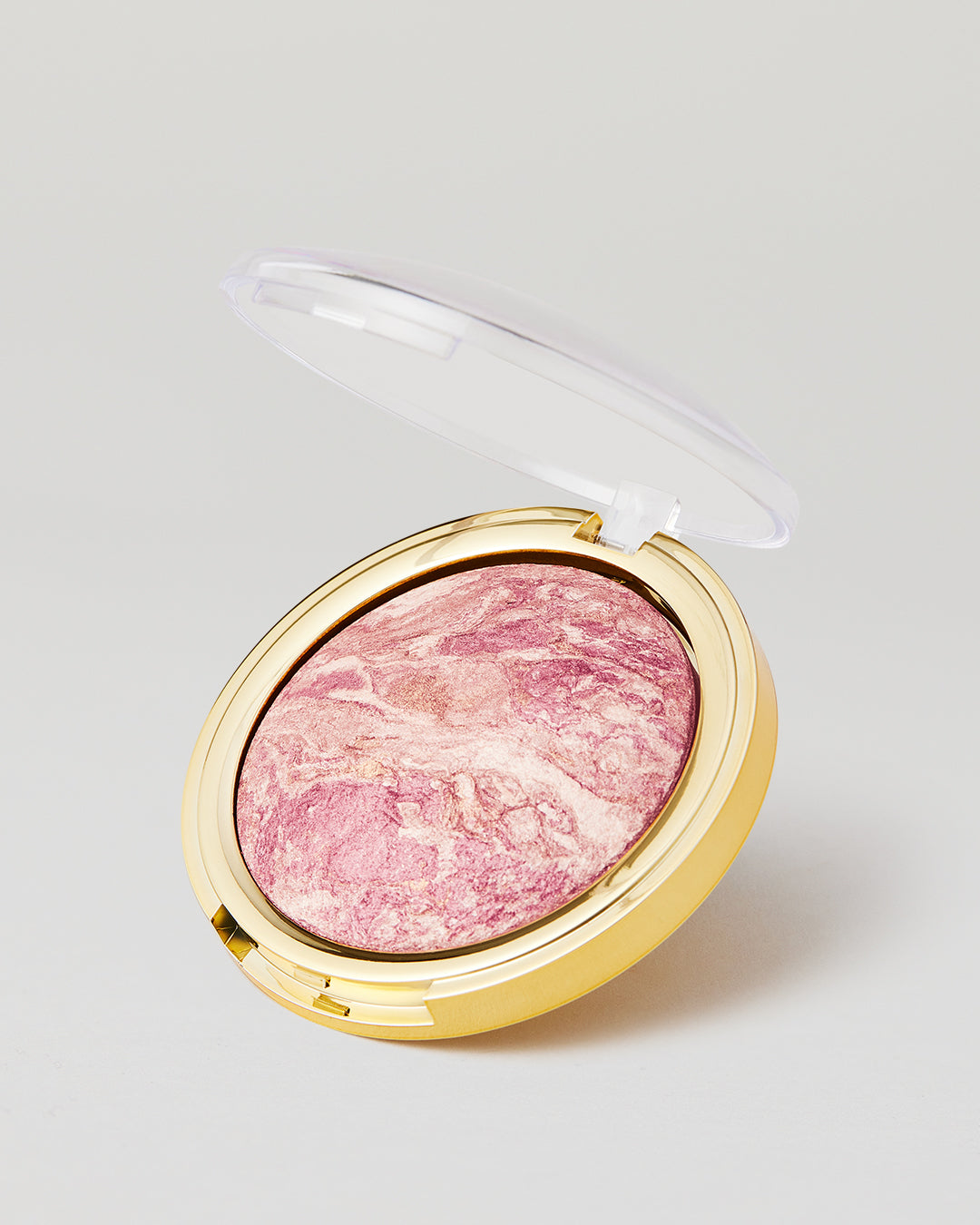
Consider your skin type when selecting the formula. Powder bronzers, like the Napoleon Perdis Bronze Patrol, work well for oily or combination skin. For dry or mature skin, cream bronzers, such as the Napoleon Perdis Cheek Switch Crème Bronze Stick, provide a dewy finish and blend seamlessly.
Don't forget to factor in the finish - matte bronzers are great for a natural look, while shimmer bronzers add a glamorous touch for evening wear.
How to Apply Bronzer Like a Pro
Applying bronzer like a pro is all about technique and precision. With the right approach, you can achieve a natural, sun-kissed glow that enhances your features.
- Start with a large, fluffy brush for powder bronzers or use your fingers for cream formulas like the Napoleon Perdis Cheek Shift Crème Bronze Stick.
- Apply bronzer in a '3' shape on each side of your face: along the temples, under the cheekbones, and along the jawline.
- Blend thoroughly to avoid harsh lines. Use circular motions to diffuse the product for a seamless finish.
Remember to build the colour gradually. It's always easier to add more than to remove excess. For a natural look, don't forget to dust a bit of bronzer on your neck to blend with your face.
Lastly, set your bronzer with a light dusting of translucent powder to ensure it stays put all day.
Contouring with Bronzer
Sculpting Your Features
Sculpting your features with bronzer is an art that can dramatically enhance your facial structure. The key is to understand your face shape and apply bronzer strategically to create shadows and depth.
Start by identifying your face shape - oval, round, square, heart, or diamond. Each shape requires slightly different placement of bronzer to achieve the most flattering contour.
For all face shapes, apply bronzer along the hairline, under the cheekbones, and along the jawline. This creates a basic contour that adds dimension to your face.
- For round faces, apply bronzer along the sides of your forehead and chin to create an elongated effect.
- For square faces, blend bronzer along the corners of your jaw to soften angles.
- For heart-shaped faces, use bronzer along the temples and sides of the chin for a balanced look.
- For diamond-shaped faces, apply bronzer to the cheeks and forehead to soften the widest areas.
- Oval faces can benefit from a light dusting of bronzer along the cheeks and temples to enhance symmetry.
Remember, the goal is to enhance, not mask, your natural features. Blend well for a subtle, natural-looking contour.
Highlighting and Shading Techniques
Mastering highlighting and shading techniques with bronzer can elevate your makeup game, creating a sculpted, dimensional look that catches the light beautifully.
Shading involves applying bronzer to areas you want to recede or appear smaller. Focus on the hollows of your cheeks, temples, sides of your nose, and along the jawline. Use a matte bronzer for this to create realistic shadows.
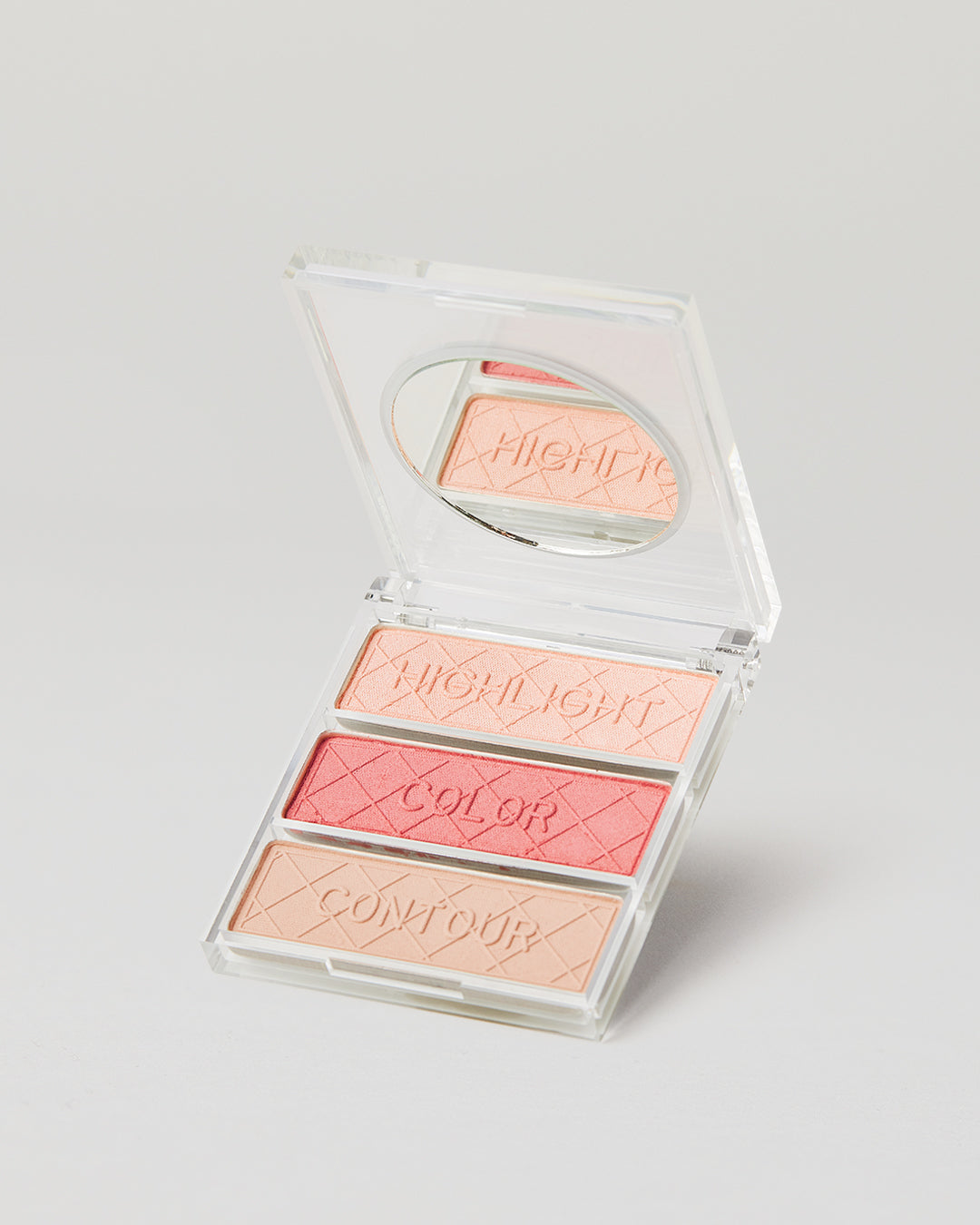
Highlighting, on the other hand, brings areas forward. While bronzer isn't typically used for highlighting, you can use a shimmery bronzer to add a warm glow to the high points of your face - cheekbones, bridge of the nose, and centre of the forehead.
The key to successful highlighting and shading is contrast. The interplay between light and shadow creates the illusion of depth and dimension. Always blend thoroughly to avoid harsh lines and ensure a natural transition between highlighted and shaded areas.
Blending for a Natural Look
Achieving a natural look with bronzer all comes down to blending. Proper blending techniques can make the difference between obvious makeup and a seamless, sun-kissed glow.
Start by applying your bronzer with a light hand. It's always easier to build up colour than to remove excess. Use circular motions to blend the bronzer into your skin, focusing on the edges to eliminate any harsh lines.
A fluffy brush is your best friend when it comes to blending bronzer. Its soft bristles distribute the product evenly and create a diffused effect. For cream bronzers, use a damp beauty sponge to tap and blend the product into your skin.
Remember, blending should extend beyond the areas where you've applied bronzer. Lightly sweep your brush over your entire face to ensure a seamless transition between bronzed and non-bronzed areas. This creates a natural, sun-kissed effect that looks like you've just returned from a beach holiday.
Finishing Touches for a Flawless Look
The final steps in your makeup routine can make all the difference in achieving a truly professional look.
Set your makeup with a light dusting of translucent powder to ensure longevity.
Add a touch of blush to the apples of your cheeks for a healthy glow.
Spritz with a setting spray to meld all the products together and add a natural sheen.
For an extra pop, you can add a tiny amount of highlighter to the centre of your eyelids and the inner corners of your eyes.
Finally, step back and assess your look in different lighting. Make any necessary touch-ups, and you're ready to face the world with confidence!
Summary
With these techniques under your belt, you'll not only enhance your beauty routine but also embrace the confidence that comes from looking and feeling your best. Whether you're heading out for a special evening or just want to add a touch of glamour to your everyday look, mastering contouring and highlighting will undoubtedly elevate your makeup game. Enjoy experimenting and remember, your unique beauty is something to be celebrated!
Featured Products




Frequently Asked Questions
Whether you're a full-glam queen or a no-makeup-makeup babe, our highlighter FAQ spills all the illuminating deets.
What is a makeup highlighter used for?
A face highlighter is used to enhance your natural glow by reflecting light and adding radiance to high points of the face.
Where to put highlighter makeup?
Typically you would put highlighter makeup on the points of the face that catch the light like cheekbones, brow bones, your cupid's bow, and in the inner corners of your eyes.
How to put on highlighter makeup?
Use a brush for highlighter powder and a brush or your fingers for stick highlighters. Apply lightly to areas you want to add glow and blend well.
What is the difference between highlighter and illuminator makeup?
Highlighters create brightness on specific features whereas illuminators are designed to give an all-over glow to your complexion.
Is powder or liquid highlighter better?
Powder highlighters are convenient and precise, ideal for on-the-go touch ups. Liquid highlighters blend well and offer a natural dewy finish.
Should highlighter be lighter or darker than foundation?
Highlighter makeup should be one or two shades lighter than your foundation to create contrast and lift.