Makeup for the Days You Don't Really Want Makeup

Our new Natural Skin Tint has landed just in time for spring, and I want to tell you everything about it.
Can I be honest with you? A lot of the women I meet reached a point somewhere along the way where a full face of foundation started to feel like too much. They still put it on out of habit, but there's a little voice going, "this isn't me anymore."
Listen to that voice. It's right. And a skin tint is very often the answer.
So What Actually Is a Skin Tint?
A skin tint is a base, same as foundation, but it's doing a completely different job. Foundation covers your skin. A skin tint gives it a light wash of colour, evens everything out, and then gets out of the way.
Practically speaking, that means less pigment, a much more fluid texture, and a finish that still reads as your own skin. It'll take redness down, soften how your pores look and pull your tone together, but your natural texture stays visible. Which, and I mean this sincerely, is exactly what you want. Texture and light are what make a face look alive.
The other big difference is what's sitting in the bottle alongside the pigment. Foundations were historically built around coverage and staying power and not much else. Skin tints are built on skincare. The hydrating ingredients aren't a line on the box, they're the reason the formula behaves the way it does on your face.
I explain it to clients like this. Foundation hands you a new surface. A skin tint improves the one you've already got. If you've spent years looking after your skin properly, why cover it with something that argues with it? This is the base that finally agrees with your skincare.
Why It's the Right Call as Skin Changes
Here's what happens with a heavy foundation on skin that's matured a little. It settles into fine lines, and it lies flat. You end up with a face that looks covered rather than fresh, and somehow older than the one you started with.
A sheer, hydrating tint does the opposite. It lets your own skin come through, evens out redness and any dullness, and gives you that lit-from-within look that no amount of full coverage can fake. It's the easiest way I know to look pulled together on a day when you just want to feel like yourself, only brighter.
That instinct you've had, the one telling you foundation has become too much, is worth trusting. Sheer hydrating coverage is genuinely the more flattering choice as skin matures, because it evens your tone without smothering the texture and light that make you look well. And "looking well" is the whole point. Not made up. Well.
On the fine lines specifically, because I know that's the worry. A sheer, hydrating formula is far less likely to sink and gather than a thick one, simply because there's less product and more water in it. Warm it between your fingers before it goes anywhere near your face and press it in, and you'll get the smoothest result you've had in years. More on that shortly, because technique matters here more than anything.
Now, Our Natural Skin Tint
Your skin but better. That was the entire brief, and we didn't let the formula out of the lab until it delivered on it.
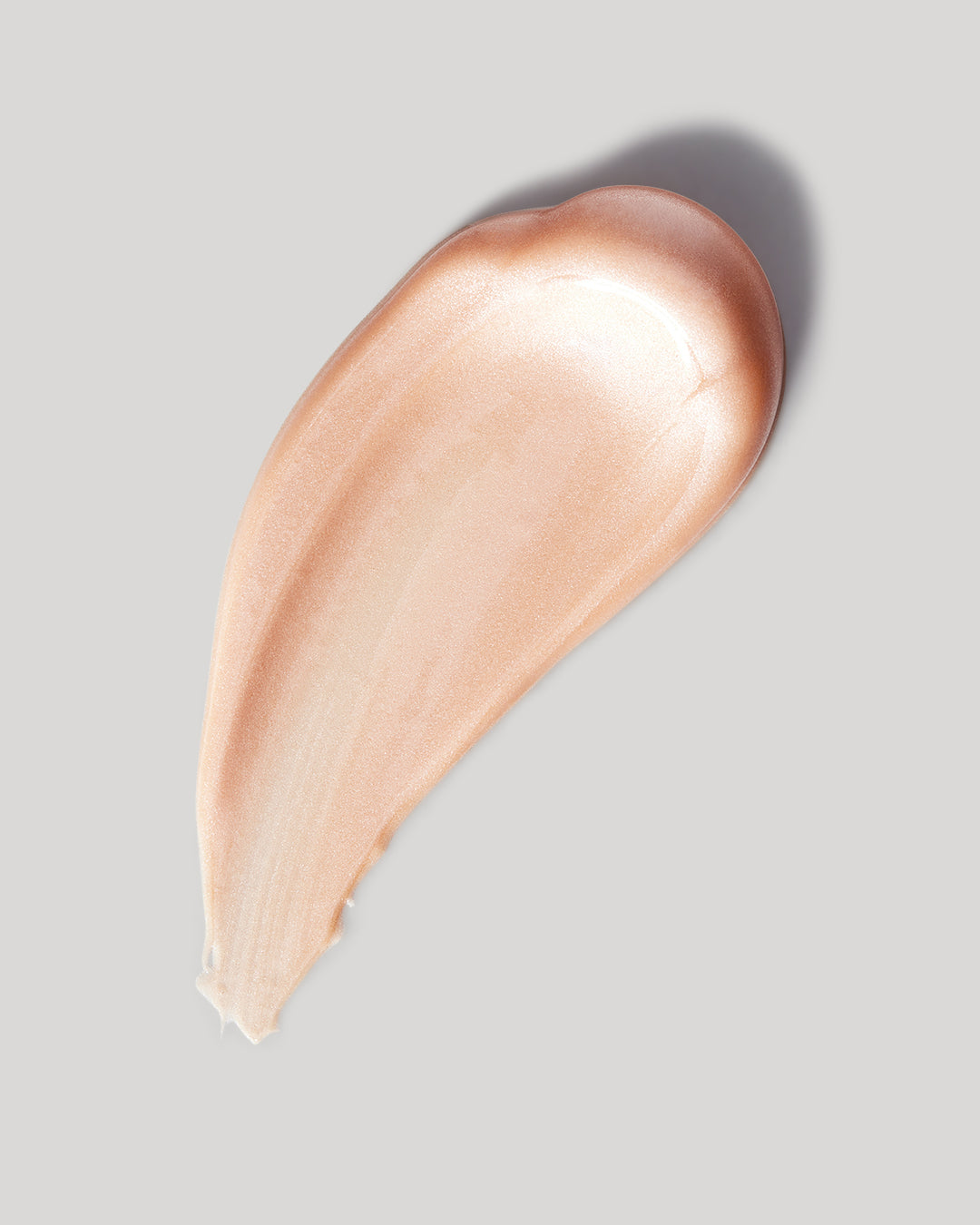
It's a weightless liquid base that blurs and perfects without ever feeling like makeup. Buildable medium coverage that melts in the moment it touches your face. Sheer on a quiet Tuesday, pressed on a little heavier where you want it, and it never turns thick or flat on you.
It's 40mL, it's $69, and it comes in eight shades (for now) that adapt to your natural undertone.
Here's where I think it sits apart. Plenty of skin tints out there are so sheer you wonder why you bothered. Then there are the so-called hybrids, which are honestly just foundations with a hydration claim printed on the carton. Ours lands properly in the middle. Real medium coverage when you build it, genuinely weightless when you don't.
The finish is the part I'd love you to feel for yourself. Natural and skin-like, so it's not a flat matte and it's not one of those wet, glassy dewy things either. In practice that means it looks luminous on dry skin and stays comfortable on oily skin, because it isn't fighting either of them. It's fragrance-free, gluten-free and nut-free, and it suits dry, normal, oily and combination skin.
Naturally perfected, effortlessly refined. That's the one.
What's Actually In It
Four ingredients doing the real work. You deserve to know what you're paying for, so here they are.
Witch hazel is in for soothing and antioxidant benefits. It's why this feels gentle enough for every single day, including on skin that flushes easily or has become more reactive than it used to be. Skin does get more sensitive over time. This accounts for that.
Hyaluronic acid deeply hydrates, and it's the hero of the formula. It's the reason the tint melts in instead of grabbing at dry patches. It draws moisture into the skin, so your base still looks fresh mid-afternoon rather than having crept into every line. If your foundation has ever looked worse at lunch than it did at breakfast, dehydration was the culprit.
Ceramide helps fortify your skin's protective barrier. Ceramides are lipids your skin already makes on its own, and they're the mortar holding everything together up there. Your skin makes fewer of them as the years go on, so putting them back in through something you're wearing all day is a quietly clever bit of formulating.
Multifunctional peptide helps smooth the appearance of fine lines. Peptides soften how light falls across the skin, so everything reads smoother. Combined with the blurring the tint does anyway, that's why the finish looks refined rather than simply covered.
So while it's on, your skin is being hydrated, soothed and supported. Eight hours of doing something useful, which is more than most foundations have ever managed.
How to apply it, step by step
1. Warm a small amount between your fingers first to help it melt into the skin.
2. Dot it over your face, focusing on the areas you would like to even out.
3. Blend it in with your fingers or a damp sponge using gentle pressing motions.
4. Soften the edges so it melts seamlessly into your skin, with no harsh lines.
5. Add the tiniest bit more only where you would like a touch more coverage.
It is quick, it is easy, and it is one of those products that just makes you look fresher and more put together without looking made up at all.
Building Coverage to Suit Your Day
Let's be specific about this, because "buildable" gets thrown around far too loosely.
One light layer gives you an even wash. Redness settles, your tone pulls together, your natural texture stays where it is. For most days, honestly, that's plenty.
Want a bit more? Don't apply a second full layer over everything. That's the mistake I see most often, and it's how a lovely sheer base turns into a mask. Instead, press a little extra onto the specific spots that want it. Around the nose, over a patch of redness, anywhere with pigmentation. Because you've only added it where it's needed, the rest of your face stays fresh and light.
That's the trick, and I'd underline it if I could. Build in place, not all over. Since the formula melts in instantly, that extra press disappears into the first layer rather than sitting there announcing itself.
On wear, the lightweight formula carries you comfortably through the day while it keeps hydrating and supporting your barrier. There's no heavy pigment load, so there's very little to crease, transfer or cake. All the things you brace yourself for after a long day in foundation largely just don't happen.
And the feel is what people notice first. Weightless is a word the industry throws around, but here it means no tightness, no film, no reminder every time you go to touch your cheek. You forget it's on. That's the compliment.
Finding Your Shade
Eight shades, running light through to deep: Porcelain, Shell, Bone, Oat, Beige, Sand, Auburn and Terra.
Every one adapts to your natural undertone, which is one of the nicer things about a sheer base. The pigment is fine and translucent rather than opaque, so your own colouring shows through and does half the matching for you.
Now, my rule, and do please ignore whatever you've been told elsewhere. Match to your neck and jaw. Not the back of your hand, which is nearly always a different depth from your face, and not the middle of your cheek, which is usually where the redness lives. The jawline is where a base has to vanish, so that's the only place worth testing.
Sitting between two shades? Take the lighter one and press a bit more on. A sheer base that's slightly light warms up as it settles and marries into your neck. One that's slightly deep will always leave a line, and you'll spot it in every photograph.
If your colour shifts with the seasons, and most of ours does, you've far more room here than a foundation would ever give you. Plenty of women get through the year on one shade. Others buy two next to each other and mix, leaning lighter through winter and deeper once summer arrives. Both work perfectly well.
And if you'd rather not guess, use Find My Shade or Try It On over on the site and match yourself before you spend a cent.
Who We'd Hand This To
Anyone stepping back from full coverage. If foundation has started to feel like too much but you still want to look put together, this is precisely where you land.
Skin that's matured. Sheer and hydrating is the more flattering choice, every time. This is the base that makes you look well rather than made up.
Sensitive or reactive skin. The witch hazel is in there for soothing, and it's fragrance-free, which is one of the most common triggers in base makeup. That omission was deliberate.
Every skin type. Dry, normal, oily, combination. Unusual for a base, and it comes down to a finish sitting between matte and dewy rather than committing to either extreme.
Anyone short on time. It's a two minute face. Perfectly happy being your whole Tuesday, and equally happy as the first step under a proper evening eye.
Warmer weather wearers. Once it's twenty-eight degrees, a heavy base is nobody's friend. This is what you want on your face from about now until March.
And the women who've simply gone off makeup. I hear it constantly, usually from someone who wore foundation faithfully for thirty years and has quietly had enough. This tends to bring them back, because it doesn't feel like putting makeup on. It feels like finishing your skincare.
The Questions We Get Asked Most
Is it enough coverage on its own? For everyday, yes, it evens things out beautifully. On the days you want more, press a little extra onto the areas that need it.
Will it sink into my fine lines? Far less likely than a heavy foundation, because it's sheer and hydrating rather than thick. Warm it between your fingers first and press it in. That's the smoothest result you'll get.
How do I get the most natural finish? Fingers or a damp sponge, pressing rather than wiping, then soften the edges so there are no hard lines anywhere.
Dewy or matte? Neither, on purpose. It sits right in between, which is why it works across so many skin types.
Does it replace my moisturiser? No. Think of it as extra support rather than a substitute. The hyaluronic acid, ceramide and peptide work alongside your skincare, not instead of it.
How is it different from a BB cream? BB creams tend to be thicker and more occlusive, built around one do-everything claim. A tint is fluid, sheerer and formulated with targeted actives. Closer to a serum with pigment in it than a cream with coverage.
Can I still wear concealer with it? Of course. A touch under the eyes or over anything that wants hiding. Just press it in rather than dragging, same as the tint.
Perfect Timing, Really
Lighter makeup simply feels better once the weather warms up, and spring is when most women start reaching for less anyway. Warm it, press it onto the areas you'd like evened out, blend the edges away. No heaviness, no mask, just fresh healthy skin that still looks like you.
Weightless buildable coverage with hyaluronic acid, ceramide, witch hazel and peptide underneath it. Eight shades, 40mL, $69.
Naturally perfected, effortlessly refined. Your skin, just better.
Shop the Natural Skin Tint at napoleonperdis.com, and use Find My Shade or Try It On to match yourself before you buy. Pair it with a tinted lip and a coat of mascara and you've got your whole spring face.
Frequently Asked Questions
Is a skin tint enough coverage on its own?
For everyday, yes, it evens things out beautifully. On days you want more, press a little extra onto specific areas or add a spot of foundation where needed.
Will it sink into my fine lines?
It is far less likely to than a heavy foundation because it is sheer and hydrating. Warm it between your fingers first and press it in for the smoothest result.
How do I apply Skin Tint for the most natural finish?
Fingers or a damp sponge, using pressing motions rather than wiping, then blend the edges so there are no hard lines.