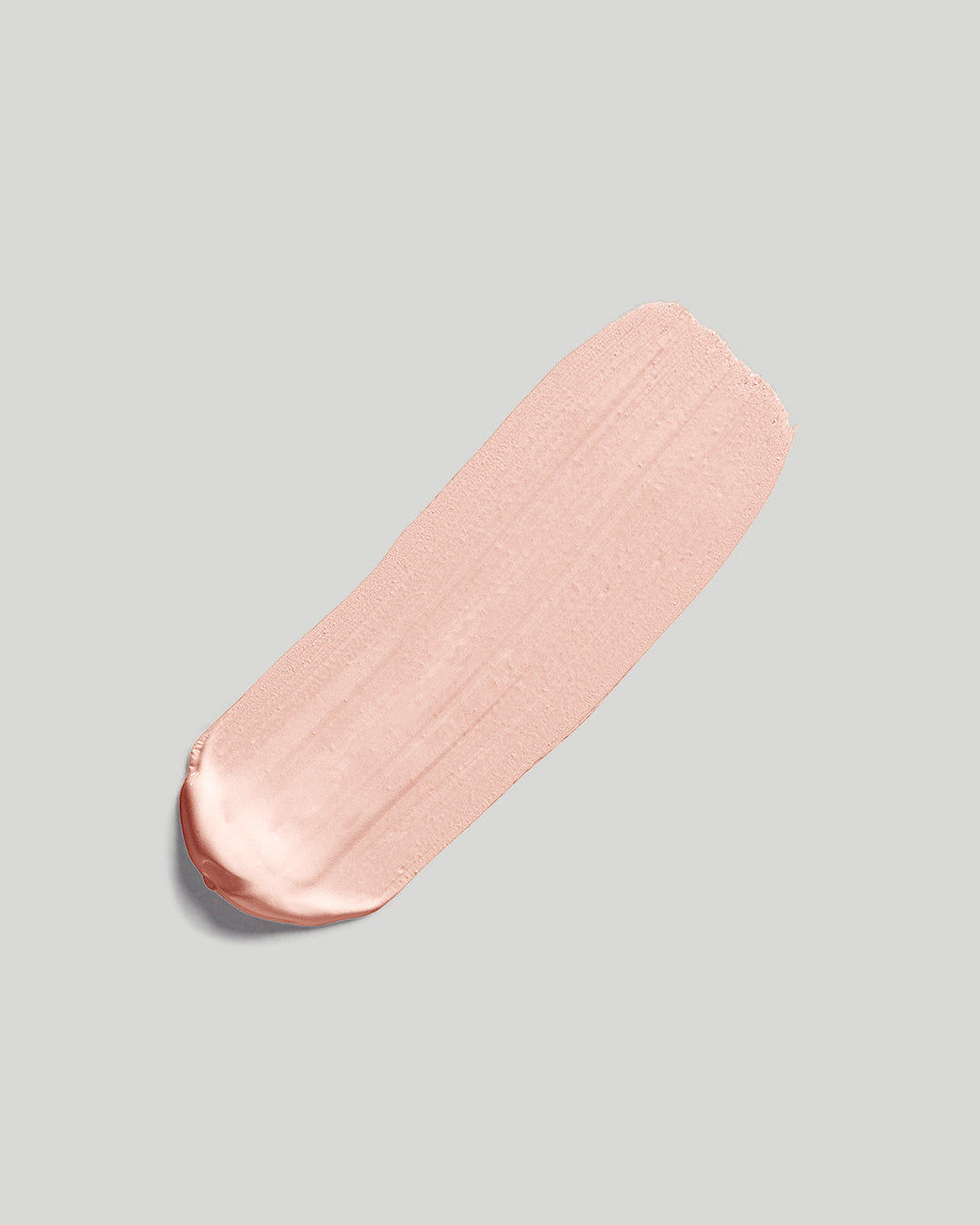
It is the question I get asked more than almost any other, at the counter, in masterclasses and in my DMs: do you put concealer on before or after foundation? For most people, most of the time, concealer goes on after foundation. But there are two situations where I flip it, and knowing which one you are in is the difference between skin that looks like skin and skin that looks like makeup.
The Pro Answer: Foundation First
Think of foundation as your canvas. It evens out tone across the whole face, softens redness and takes care of most of what you were planning to cover. Once it is on, you can see what is actually left to fix, and it is usually a lot less than you thought. If you conceal first, you are covering things blind. Then the foundation goes over the top, your brush or sponge drags half the concealer away, and you end up reapplying. That is how you get layers, and layers are how you get cake.
Putting foundation on first means:
- You use less concealer, so it sits flatter and creases less
- Your coverage stays where you put it, because nothing is buffing over it afterwards
- Your skin still looks like skin, because you are only spot-correcting
When Concealer Goes Before Foundation
There are two exceptions, and they are both about what you are asking the concealer to do.
You are colour correcting:
If you are using a corrector to cancel out very dark under-eye circles or strong redness, it goes underneath. A corrector's job is to neutralise colour so your foundation does not have to work as hard: peach or orange tones on blue or purple circles, green on redness. Correct first, foundation second, then a touch of concealer only if anything still shows through. You will find both in our concealers and colour correctors.
You are wearing a sheer base, or no base at all:
If you are going for "no-makeup" makeup with a skin tint, or skipping foundation altogether, concealer becomes the main event. Apply it only where you need it and blend the edges out well. If you want a whisper of tint over the top, press it on lightly with your fingertips so you do not move what is underneath. Natural Skin Tint works beautifully like this.
How To Apply Concealer After Foundation
1. Moisturise, then use a primer suited to your skin so everything that follows grips and lasts.
2. Apply your foundation from the centre of the face outwards, where you need it most, and blend it thin at the edges.
3. Give it a minute, then check the mirror from arm's length. Only now decide what needs concealing.
4. Conceal only what is left, using small dots rather than big swipes: the inner and outer corner of the under-eye, the sides of the nose, a single blemish.
5. Blend the edges, not the centre. Tap with your ring finger or a small brush so the coverage stays where the problem is and the edges melt into your foundation.
6. Set with a light press of Camera Finish Loose Powder under the eyes and over any blemishes to keep concealer from creasing or sliding.
Which Concealer Should You Use?
We make two concealers because people ask two different things of them.
Choose Camera Finish Concealer if you want to:
- Brighten dark circles and soften redness under the eyes
- Wear a creamy, non-drying formula with a soft-focus, natural matte finish
- Build coverage that blends into your foundation without going cakey
- Match your foundation exactly, or go a touch lighter under the eyes
Camera Finish Concealer is infused with vitamin E for comfort, and is vegan and paraben free.
Choose The One Concealer instead if:
You need a multitasker for dark circles, blemishes and pigmentation, or you have sensitive skin. The One Concealer has anti-caking properties so it will not settle into fine lines or emphasise texture, and it is paraben free and fragrance free.
Common Concealer Mistakes
- Going too light under the eyes. One shade lighter than your foundation is plenty. Any lighter and you get a grey, flashback-prone cast.
- Using too much. Start with less than you think. You can always add a second dot; taking it away means starting over.
- Skipping the powder. Under-eye skin moves every time you smile. A light set is what stops creasing by lunchtime.
- Rubbing instead of tapping. Rubbing moves product and the foundation underneath. Tapping presses it in.
After, almost always. Before, only if you are colour correcting or wearing a sheer base. Foundation first shows you what really needs covering, so you use less, it lasts longer and your skin still looks like your skin. Ready to build your base? Explore our full makeup range.
Frequently Asked Questions
Should concealer go on before or after foundation?
After, for most looks. Foundation evens out tone first, so you only need concealer on what is left, which means less product, less creasing and a more natural finish. The exceptions are colour correcting and sheer or no-foundation looks.
What is the difference between a colour corrector and a concealer?
A colour corrector neutralises colour and goes under foundation: peach or orange for blue or purple under-eye circles, green for redness. A concealer covers and goes on after foundation, only where anything still shows through.
Can I wear concealer without foundation?
Yes. Apply it only where you need it and blend the edges well. If you want a little tint over the top, press a skin tint on lightly with your fingertips so you do not move the concealer underneath.
What shade of concealer should I use under my eyes?
Match your foundation, or go no more than one shade lighter. Any lighter and the under-eye can look grey or flash back in photos.
How do I stop my concealer from creasing?
Use less than you think, tap rather than rub, and set with a light press of Camera Finish Loose Powder. For texture or fine lines, The One Concealer's anti-caking formula is designed not to settle into lines.
Which Napoleon Perdis concealer is best for sensitive skin?
The One Concealer. It is fragrance free and paraben free, with versatile coverage for dark circles, blemishes and pigmentation.